Premchand’s Poos Ki Raat Strikes a Chord at Premchand Rangshala, Patna
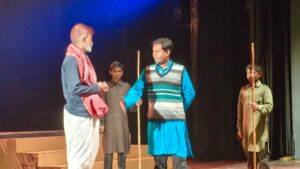
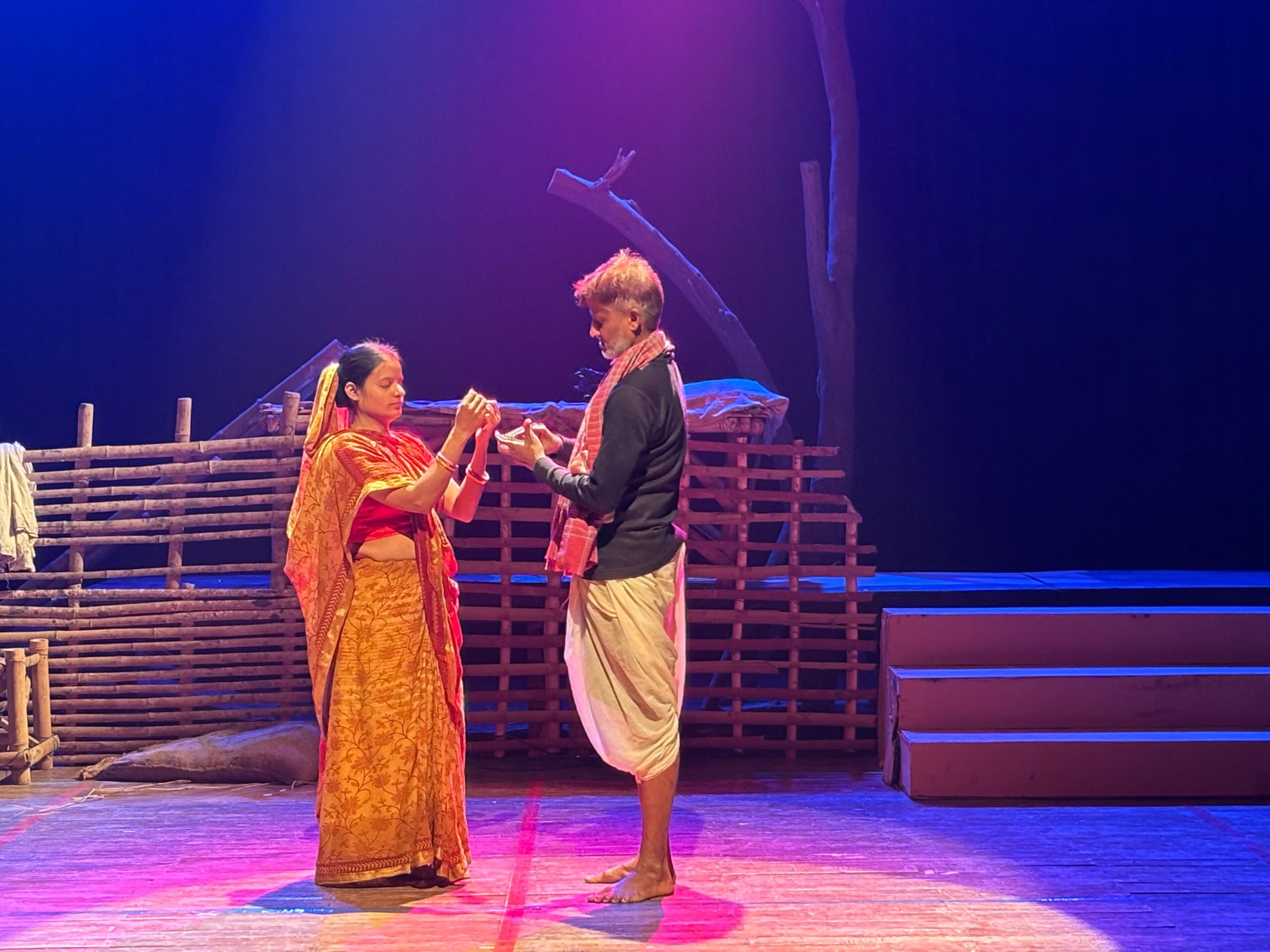
Patna: The stark realities of rural distress and agrarian suffering came alive on stage as Rainbow, Rohtas presented a powerful theatrical adaptation of Munshi Premchand’s classic short story Poos Ki Raat at Premchand Rangshala on Tuesday. Directed by Ajit Kumar, the production left the audience confronting the brutal intersection of poverty, exploitation, and human endurance.
The play traces the life of Halku, an indebted farmer crushed under the weight of unpaid dues and feudal obligations. Having spent his meagre savings on paying the landlord’s tax, Halku is left without even a blanket to shield himself from the biting winter. Forced to guard his fields at night to save the crop from stray blue bulls, he battles the cold with nothing but his frail body and fading resolve.
As the night deepens, Halku shivers in the fields alongside his loyal dog, Jabra. The cold grows merciless, exhaustion overpowers him, and in a desperate attempt to survive, he lights a fire and slips into sleep. By dawn, the fields stand ravaged, the crop destroyed. Yet what follows is not just grief, but a disturbing sense of relief—freedom from the endless cycle of guarding, suffering, and fear. The narrative sharply exposes the cruelty of a system that pushes the farmer to a point where loss feels like liberation.
The stage adaptation, conceptualised by Raj Kapoor, remained faithful to Premchand’s social realism while giving it contemporary resonance. Chandan Ugnna’s music subtly heightened the emotional gravity of the performance, while co-director Nisha Kumari ensured a restrained yet impactful theatrical rhythm.
Actors Devendra Jha, Tanuja, Bikesh Aditya, Randhir, Suraj, Sunny, Guddu Vaishnavi, Archana, Ambuj, Shreya, Sneha, Pankaj, and others delivered intense performances, breathing life into Premchand’s timeless characters. The production stood out as a searing reminder of the continuing relevance of agrarian distress and the quiet tragedies endured by India’s farmers.